Istanbul’s Summer Pulse: What Visitors Should Know and the Must-See Highlights
As the July heat sets in, the city's cultural calendar shifts to the Bosphorus breeze for a marathon of open-air music, film, and late-night gallery sessions.
As the July heat sets in, the city's cultural calendar shifts to the Bosphorus breeze for a marathon of open-air music, film, and late-night gallery sessions.
Istanbul’s festival season hits its mid-summer stride this weekend, forcing a pivot from the stuffy, climate-controlled interiors of the Beyoğlu district to the waterfront terraces of the Bosphorus. With temperatures hovering near 34 degrees Celsius, event organizers across the city are shifting start times to the cooler hours after 9:00 p.m. to accommodate the influx of tourists arriving for the peak of the 2026 summer calendar.
This shift is more than just a logistical adjustment; it marks a concentrated effort by the Istanbul Foundation for Culture and Arts (İKSV) to sustain the city's tourism momentum during a week where global news cycles are dominated by extreme weather cancellations in North America and major political transitions in the Middle East. For the casual visitor, the next ten days represent the best opportunity to experience the city's creative output outside of the traditional museum circuit, provided you are willing to navigate the crowds at the Karaköy ports and the narrow climbs of Cihangir.
The must-see ticket this month is the series of dusk performances at the Cemil Topuzlu Open-Air Theatre in Harbiye. While the Bosphorus Jazz Festival dominates the headlines, the real local value lies in the smaller, experimental stages popping up along the shoreline. The venues managed by the Kadıköy Municipality on the Anatolian side are currently running a nightly film screening series that highlights independent Turkish directors, offering an affordable alternative to the overpriced tourist traps of Sultanahmet.
Data released yesterday by the Istanbul Chamber of Commerce indicates that hotel occupancy rates in the Beşiktaş and Şişli corridors have hit 82 percent, a four-point increase over last July. Despite this, the cost of admission for most public cultural events remains accessible. A standard single-entry pass for the main jazz venues averages 850 Turkish Lira, while the municipal park concerts in Maçka are entirely free. Budget-conscious travelers should note that the Istanbulkart remains the most efficient way to bridge the distance between the historic peninsula and the newer arts hubs in the north, costing only 20 Lira for a standard cross-continental transit.
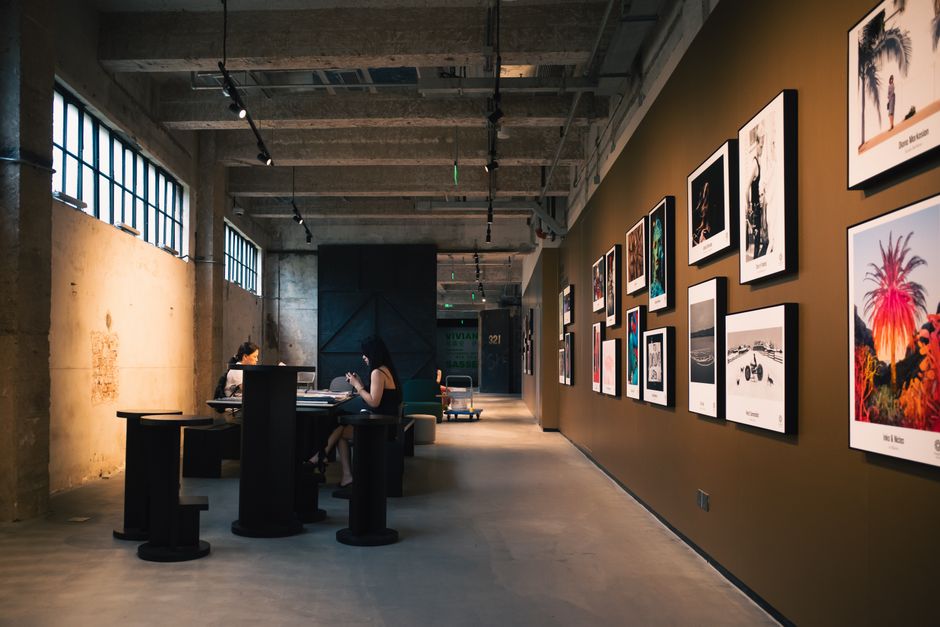
For those planning their itinerary, the best strategy is to abandon the midday sun entirely. Most galleries in the Tophane area do not open their doors until 11:00 a.m. and stay active until at least 8:00 p.m. this week. If you find yourself near the Galataport, head to the Istanbul Modern’s permanent collection during the late afternoon; the architectural design of the building allows for a consistent cross-breeze that remains one of the few natural cooling spots in the district.
Looking ahead, the city expects a surge in foot traffic as the Fişekhane summer program ramps up in Zeytinburnu. Visitors should book tickets for the upcoming outdoor theater residencies at least 72 hours in advance, as the smaller, historically repurposed industrial spaces have capped capacity at 500 attendees for safety reasons. Keep a bottle of water on hand, avoid the midday ferry queues if you can, and prioritize the evening light—the city’s skyline, particularly from the vantage point of the Maiden’s Tower, is at its most spectacular when the temperature finally drops below 30 degrees after sunset.
How does this story make you feel?
Spread the word
About this article
Published by The Daily Istanbul
Daily brief
Free, in your inbox before 7am. Weekdays.
More in culture