Istanbul Fashion Designers: The City's Creative Scene in 2026
Discover how Istanbul's fashion designers in Galata and Beyoğlu are redefining Turkish style. Explore the city's emerging design studios and creative heritage.
Discover how Istanbul's fashion designers in Galata and Beyoğlu are redefining Turkish style. Explore the city's emerging design studios and creative heritage.
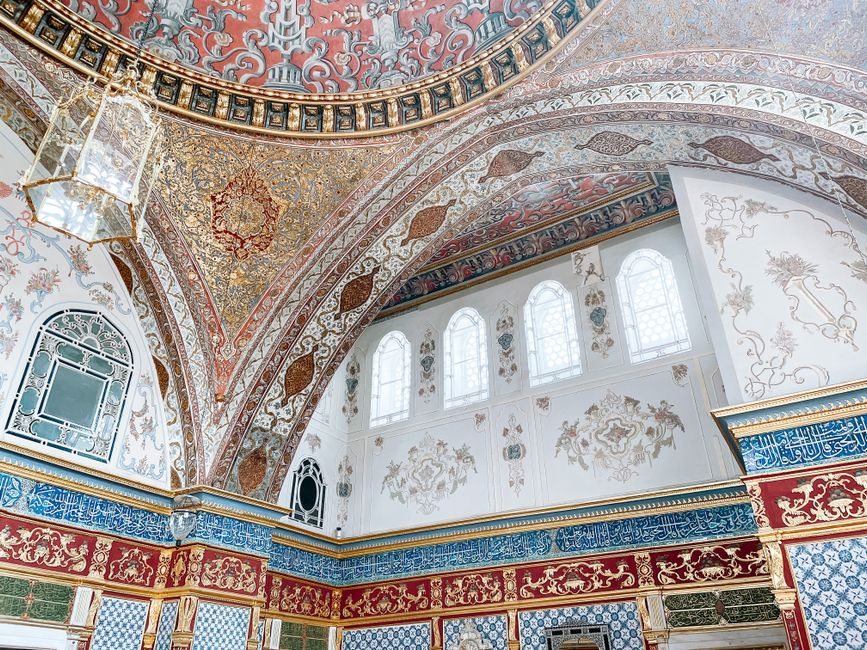
Walk through the narrow cobblestone streets of Galata on any given afternoon, and you'll encounter something quietly revolutionary: a generation of Turkish fashion designers who are no longer looking westward for validation, but inward—mining Istanbul's layered history, its textile heritage, and its position between continents to forge something entirely new.
This creative recalibration extends far beyond aesthetics. Over the past three years, Istanbul's fashion and design sector has emerged as perhaps the city's most potent cultural ambassador, fundamentally altering how the city sees itself and how the world perceives it. The numbers tell part of the story: the Turkish fashion industry grew 18 percent annually through 2025, with Istanbul accounting for roughly 60 percent of that expansion. But the real transformation is cultural.
The Galata district has become the epicenter of this shift. Where once luxury import shops dominated, independent design studios now cluster along Serdar-i Ekrem Caddesi and surrounding alleyways. Studios like those in the converted warehouses near Tünel charge between 250-800 Turkish Liras monthly for workspace—affordable enough to sustain young designers, yet expensive enough to attract serious practitioners. The proximity breeds cross-pollination: textile artists collaborate with jewelry makers, pattern designers work alongside sustainability consultants.
Beyoğlu's cultural institutions have noticed. The Istanbul Modern, positioned just across the Golden Horn, has integrated fashion into its contemporary art programming, hosting quarterly design symposiums that draw international curators. Meanwhile, independent venues like those clustered around İstiklal Caddesi's side streets have become informal galleries where emerging designers stage pop-ups and experimental collections.
What distinguishes Istanbul's current moment is the deliberate embrace of hybridity. Designers are drawing from Ottoman motifs, Anatolian weaving traditions, and contemporary streetwear with equal confidence—not as pastiche, but as authentic cultural synthesis. This reflects something deeper about Istanbul's identity: a city that has always been a meeting point is finally celebrating that fact rather than apologizing for it.
The European fashion establishment has taken notice. Istanbul Fashion Week, held each October, now attracts buyers and editors who once viewed the city primarily as a manufacturing hub. That shift in perception—from production site to creative origin point—may prove more significant than any quarterly growth metric.
For a city navigating complex questions about identity and belonging, fashion design has become an unexpectedly powerful language. Through fabric, cut, and color, Istanbul's designers are answering an essential question: who are we? The answer emerging from Galata's ateliers suggests a city confidently claiming its own narrative.
This article was compiled by AI from the sources linked above and screened before publishing. See our editorial standards.
How does this story make you feel?
Spread the word
About this article
Published by The Daily Istanbul
Daily brief
Free, in your inbox before 7am. Weekdays.
More in culture