Istanbul's Job Market Is Tightening — Here's What Businesses Need to Know Right Now
Wage pressure, a shrinking talent pool in tech and logistics, and shifting neighbourhood office hubs are rewriting the rules for employers across the city.
Wage pressure, a shrinking talent pool in tech and logistics, and shifting neighbourhood office hubs are rewriting the rules for employers across the city.
Istanbul's unemployment rate dropped to 8.3 percent in the first quarter of 2026, the lowest reading since 2012, according to Turkish Statistical Institute figures released last month. That sounds like good news. For anyone trying to hire right now, it feels like anything but.
The tightening labour market arrives at a peculiar moment for Turkish business. Inflation has cooled from its 2023 peak, the lira has stabilised in a narrow band around 34.5 to the dollar since February, and foreign direct investment inquiries into Istanbul rose 18 percent year-on-year in the first half of 2026 per data from the Istanbul Chamber of Commerce. Companies that spent two years hunkered down are finally looking to expand headcount — and they are all hunting the same profiles at the same time.
Three sectors are feeling the squeeze hardest. Software development and data engineering salaries in Levent and Maslak — the twin spines of Istanbul's corporate corridor — jumped roughly 22 percent between January and June 2026, according to salary benchmarking surveys circulated by Istanbul-based HR consultancy Korn Ferry Turkey. Logistics coordinators are the second flashpoint: the expansion of the Istanbul Logistics Centre in Halkalı, which added a third operational zone in April, created roughly 4,000 new permanent positions and stripped the surrounding labour market nearly bare. Mid-tier hospitality roles on the European side, particularly along İstiklal Caddesi and in the Beyoğlu district, round out the top three, as the summer tourism surge — arrivals through Istanbul Airport hit a record 18.2 million passengers in the first five months of 2026 — outpaced any realistic hiring pipeline.
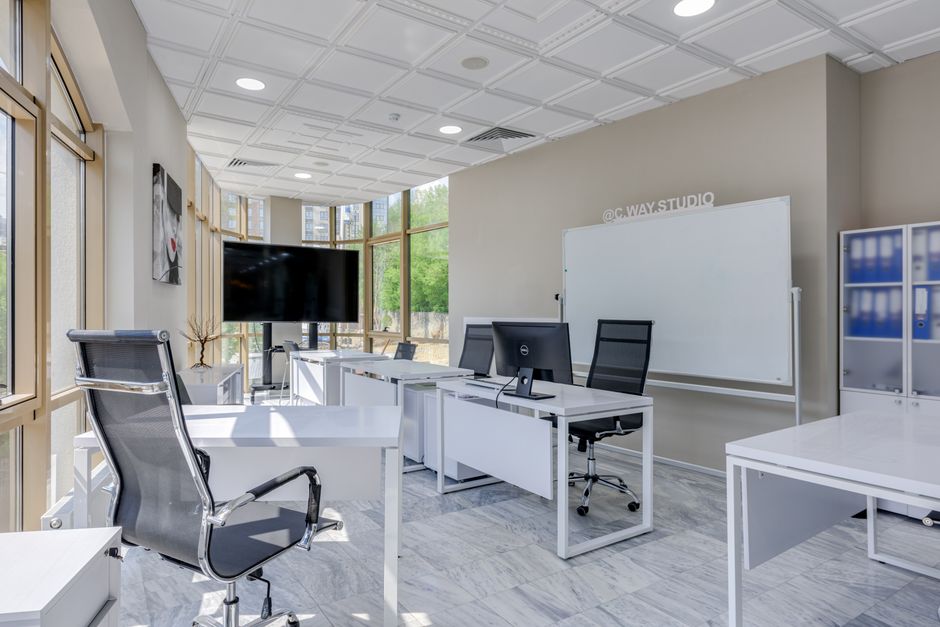
The geographic spread of demand matters too. Employers anchored to traditional Şişli offices are finding they cannot compete on commute alone. A growing number of candidates, particularly those under 35, are demanding hybrid arrangements as a baseline condition, not a perk. Commercial real estate data from Cushman & Wakefield Turkey shows that take-up of flexible office space in Ataşehir on the Asian side rose 31 percent in the first half of this year as firms try to position themselves closer to where the talent actually lives.
Several Istanbul companies have quietly moved their recruitment calendars forward. Normally a September phenomenon, back-to-market hiring campaigns are running in July this year. Garanti BBVA's technology unit, headquartered in Levent, launched its annual graduate intake programme on June 15, a full ten weeks earlier than its 2024 equivalent. Turkish Airlines, whose crew and ground operations bases dominate the western end of the city near Istanbul Airport in Arnavutköy, began advertising engineering and digital transformation roles in May with sign-on bonuses — a practice that was virtually unheard of in Turkish corporate culture three years ago.
For smaller businesses, the calculus is harder. A mid-sized e-commerce firm in Bağcılar, the dense industrial and commercial district west of the city centre, cannot match the base salaries offered by multinationals a few kilometres up the motorway in Maslak. Operators in that bracket are increasingly leaning on İŞKUR, the national employment agency, which expanded its Istanbul office network to 23 district centres earlier this year and now offers a wage subsidy scheme covering up to 40 percent of a new hire's minimum wage cost for the first six months.
Businesses that have not already mapped their talent pipeline against these pressures should do so now, before the summer hiring window narrows further. The practical priorities are clear: review compensation bands against current market data rather than last year's appraisal cycle; open conversations with İŞKUR about available subsidy instruments; and audit whether office location is actively deterring candidates. The companies picking up the best people in October will be the ones that started the groundwork this week.
How does this story make you feel?
Spread the word
About this article
Published by The Daily Istanbul
Daily brief
Free, in your inbox before 7am. Weekdays.
More in Business


