Istanbul's Startup Engine Is Running Hot — Here's What the Money Trail Actually Shows
Venture capital flowing into Maslak and Ataşehir tells a more complicated story than the headline numbers suggest.
Venture capital flowing into Maslak and Ataşehir tells a more complicated story than the headline numbers suggest.
Turkish startups raised $340 million in the first half of 2026, with Istanbul-based companies accounting for roughly 78 percent of that total, according to figures compiled by the Turkish Private Equity and Venture Capital Association (TÜYODER). That puts the city on course for its second consecutive record year — even as global venture markets remain choppy and geopolitical turbulence from Ukraine to Tehran rattles investor confidence across the region.
The timing matters. Europe is sweating through a brutal summer heatwave, Russian fuel queues are making Western supply-chain planners nervous, and Iran's post-supreme-leader transition is injecting fresh uncertainty into Middle Eastern corridors. Against that backdrop, Istanbul's pitch — a large domestic market of 85 million, a young median age of 32, and a geographic position straddling two continents — is landing better than it has in years. Foreign funds that once passed over Turkey because of currency volatility are returning, drawn partly by the lira's relative stabilisation after the Central Bank's aggressive tightening cycle that began in 2023.
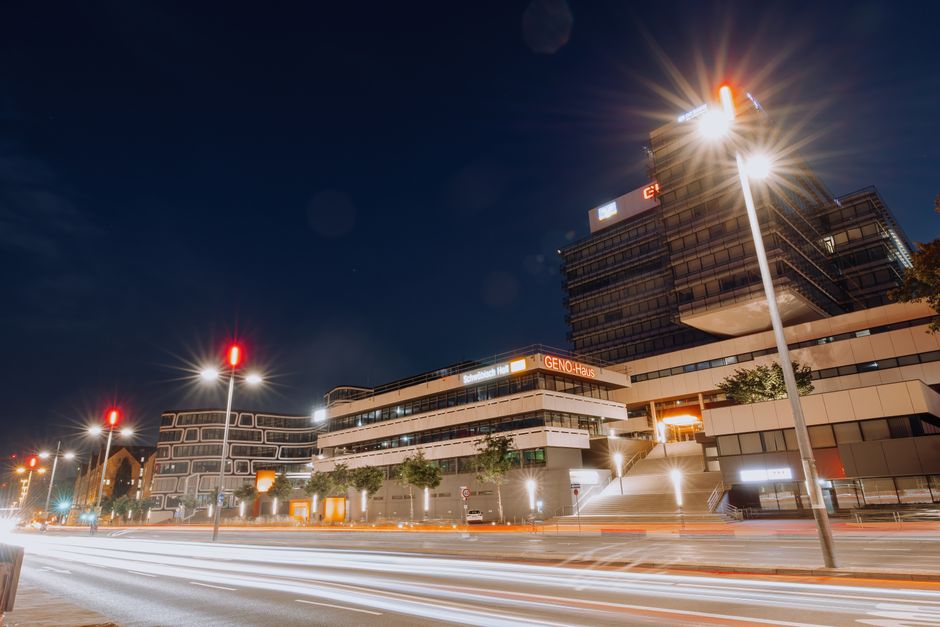
Two districts are doing the heaviest lifting. Maslak, anchored by the Levent-to-Ayazağa corridor along the northern stretch of the E5, has quietly become the preferred address for Series A and Series B rounds. The Istanbul International Finance Centre (IFC) in Ataşehir, which opened its first towers in late 2023, is attracting the larger institutional players — sovereign wealth participation and cross-border fintech deals that need proximity to Turkey's banking headquarters. Between them, these two zones absorbed an estimated 60 percent of all Istanbul venture investment in the first six months of this year.
Smaller but significant money is moving into Bağcılar and the Davutpaşa Technology Zone near Istanbul Technical University, where earlier-stage deeptech and defence-adjacent startups are clustering. The ITÜ Çekirdek incubator, one of Turkey's oldest and most active seed programs, graduated 24 companies in its spring cohort — up from 17 in the same period last year. Programme fees for full cohort membership now run around 180,000 lira annually, a figure that has climbed steeply with inflation but which founders say remains manageable against the mentorship and network access on offer.
Raw deal volume can mislead. A closer look at the TÜYODER data shows that the median deal size in Istanbul fell to $1.8 million in Q1 2026, down from $2.4 million in Q1 2025. More deals, smaller cheques — a pattern that typically signals a market still absorbing the cost of capital at higher interest rates rather than one experiencing a genuine risk-appetite surge. The Central Bank's benchmark rate sits at 42.5 percent as of July 2026, and while that is down from its 2024 peak, it continues to make lira-denominated bridge financing expensive for founders waiting to close dollar-denominated equity rounds.
Fintech and climate-tech are the two sectors pulling in outsized attention. Paytech firms processing cross-border remittances — a category directly relevant to Turkey's 6.7 million diaspora — attracted seven of the twenty largest deals logged in the first half. Three climate-tech companies, all working on grid-efficiency software for Turkey's rapidly expanding solar capacity, closed rounds above $5 million between January and June.
For founders and their advisers, the practical read is this: international lead investors are still doing diligence slowly and remain wary of lira exposure on revenue models, which means startups with dollar or euro-denominated revenue — or clear export pathways — are closing faster. Local angels and family offices, many of them based around Nişantaşı and Etiler, are filling seed gaps but demanding convertible structures with aggressive valuation caps. Founders entering Q3 should expect detailed questions about burn rate in hard currency, not just lira, and should treat the IFC ecosystem in Ataşehir as a serious networking hub rather than a prestige address — several of the biggest fund managers relocated their Istanbul operations there in the past eighteen months, and warm introductions still matter more than cold decks in this market.
How does this story make you feel?
Spread the word
About this article
Published by The Daily Istanbul
Daily brief
Free, in your inbox before 7am. Weekdays.
More in Business