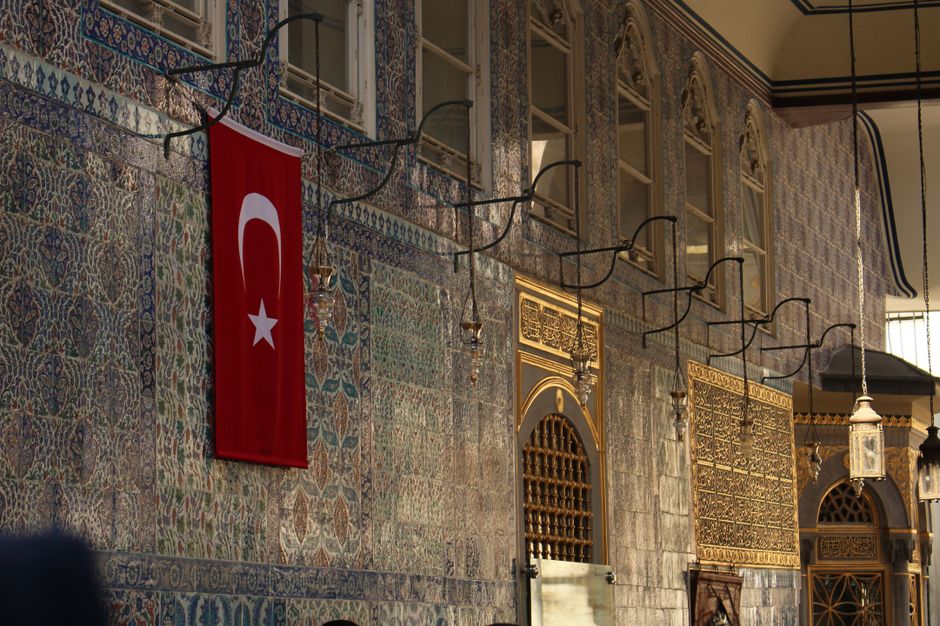
Istanbul's street art scene reflects the extraordinary complexity of a city that spans two continents, 15 million people, and 2,700 years of layered civilisation: the contrast between the Byzantine churches, Ottoman mosques, and Art Deco apartment buildings of the old city and the contemporary street art of the Beyoglu creative district creates a visual environment that is unlike any other major world city. Here are the best street art locations in Istanbul for 2026.
Karakoy: Port District Creative Hub
Karakoy (the historic port neighbourhood on the European shore of the Golden Horn, accessible by tram T1 to Karakoy, open as a public neighbourhood at all hours) provides Istanbul's most concentrated and most art-gallery-integrated street art environment: the former warehouse, workshop, and commercial buildings of the Karakoy port district (transformed over the past decade from a working port into a creative quarter of galleries, studios, boutique hotels, and restaurants) carry a significant body of commissioned mural works by Turkish and international artists. The Karakoy murals are concentrated along the streets behind the Galata Bridge, particularly along the Kemerالti Caddesi and Hasköy Caddesi, and in the smaller lanes connecting the main streets. The Istanbul Modern Museum (the major Turkish contemporary art museum, in Karakoy) regularly commissions outdoor art works in the surrounding streets as part of its public art programming.
Beyoglu: Istiklal Street District Art
Beyoglu (the 19th-century commercial and entertainment district on the European shore, accessible by tram T2 from Karakoy to Tunel or by funicular from Kabatas, open as a public neighbourhood at all hours) provides Istanbul's most historically embedded street art environment: the Ottoman-era apartment buildings, the Levantine-style covered passages (pasajlar), the Art Nouveau and Art Deco facades of the Istiklal Caddesi (the main pedestrian shopping street of Beyoglu), and the narrow streets of the Cihangir, Galata, and Tarlabasi sub-districts all carry street art that responds to the extraordinary historical depth of the Beyoglu streetscape. The Tarlabasi neighbourhood (the historically marginalised district immediately behind the Istiklal Caddesi, undergoing significant gentrification pressure) has developed a particularly active street art community that uses public art to document and resist neighbourhood displacement.
Kadikoy: Asian Side Ferry Terminal Art
Kadikoy (the main commercial and cultural centre of the Asian shore, accessible by ferry from Eminonu or Besiktas, open as a public neighbourhood at all hours) provides Istanbul's most vibrant and most youth-oriented street art environment: the neighbourhoods of Kadikoy (particularly the Moda, Yeldeğirmeni, and Bahariye areas) have developed a significant and sustained street art culture supported by the large student population of the Asian shore, the concentration of independent galleries and alternative cultural venues in Kadikoy, and the Yeldeğirmeni Neighbourhood Mural Project (a community-initiated public art programme that has commissioned over 100 murals in the Yeldeğirmeni district since 2012). The Yeldeğirmeni murals (in the streets immediately behind the Kadikoy ferry terminal) represent one of the most concentrated and most systematically developed mural districts in Turkey, covering building facades, stairways, and retaining walls in the residential streets of this historic Kadikoy neighbourhood.
Balat and Fener: Historic District Community Art
Balat and Fener (the historic Jewish and Greek neighbourhoods on the European shore of the Golden Horn, accessible by bus from the Eminonu waterfront, open as a public neighbourhood at all hours) provide Istanbul's most historically atmospheric street art settings: the Ottoman-era wooden houses (yalıs), the Byzantine church facades, and the steep cobblestone streets of Balat and Fener create a street art backdrop of extraordinary architectural richness. The Balat murals (particularly on the coloured wooden house facades along the main Balat streets) reflect the neighbourhood's complex history as Istanbul's historic Jewish quarter; the Fener murals respond to the Greek Orthodox Ecumenical Patriarchate (still located in the Fener neighbourhood) and the Byzantine heritage of the area.
Istanbul Mural Festival
The Istanbul Mural Festival (an annual outdoor mural event held in various Istanbul districts; check local Istanbul art media and social media for current year programme dates and locations) is Istanbul's most significant annual street art event: the festival commissions Turkish and international artists to create new murals in designated Istanbul neighbourhoods, typically 20-30 new works per edition, with past editions concentrated in Karakoy, Kadikoy, Beyoglu, and Sisli. The Istanbul Mural Festival has produced a significant body of permanent mural works across the city and has introduced international contemporary street artists (including artists from the European graffiti tradition and the Latin American mural tradition) to Istanbul audiences and Istanbul streetscapes.
Practical Street Art Tips
Istanbul's street art is accessible year-round but most comfortable in spring (April-June) and autumn (September-October); the Turkish summers (July-August) are extremely hot and humid, and the winters (December-February) are cold and often rainy. The Istanbulkart (the rechargeable contactless public transport card) provides cost-effective access to the tram, metro, bus, and ferry networks that connect all Istanbul street art districts. The Kadikoy Yeldeğirmeni district is best explored on foot from the Kadikoy ferry terminal; the Karakoy and Beyoglu art districts are also walkable. Google Maps navigation using the "on foot" option is reliable in Istanbul; the city's street naming conventions (sokak, cadde, bulvar) are consistent across districts.
This article was compiled by AI and screened before publishing. See our editorial standards.